
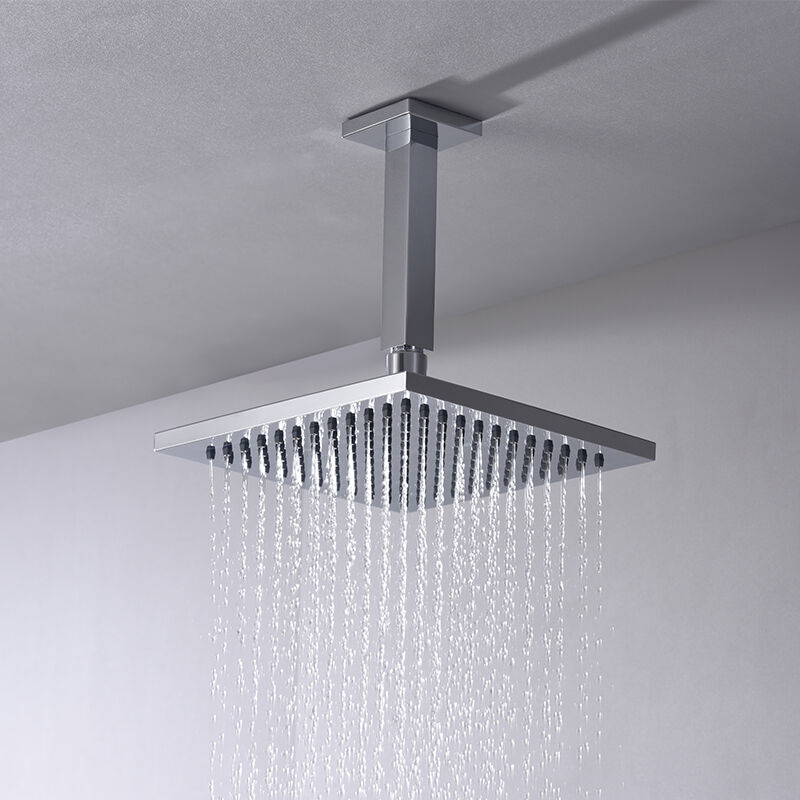
When a shower faucet keeps dripping even after being turned off, it usually means the cartridge inside is failing badly. The rubber seals wear out over time, ceramic discs crack, and these parts just cant stop water anymore. Mineral buildup also gets stuck in there somewhere, making it impossible for everything to close properly. According to numbers from the Environmental Protection Agency, about 38 percent of all water wasted in homes comes from these kinds of leaks, which can end up costing families as much as seven hundred forty dollars each year. If people ignore this problem, the constant moisture will start eating away at the valves and pipes nearby, causing bigger issues down the road.
When we notice sudden changes in water temperature or reduced flow from fixtures, it usually means there's some sort of problem inside the cartridge itself. Over time, sediment builds up in those tiny channels where water flows through, which can really cut down on pressure sometimes by more than 40%. Things get even worse when thermal components crack or inlet ports get clogged. Industry reports from recent years show that around two out of every three problems with inconsistent water temperatures actually come down to these kinds of issues. The rubber seals inside these systems tend to harden as they age too. Once they lose their flexibility, everything starts working less smoothly. That's why people suddenly end up with cold showers or face potential water damage at inconvenient times.
Shut off water at the main supply valvea€”or, if available, the dedicated shower cutoffa€”to prevent flooding during the replacement process. Wear safety glasses and gloves to protect against debris and slips. Before disassembly, identify your cartridge model using one of these reliable methods:
Mismatched cartridges cause 37% of post-replacement leaks (Plumbing Standards Journal, 2023), making verification essential. Confirm compatibility by comparing length, stem design, and spline configuration. Keep a bucket and towels nearby to manage residual water during removal.
Find that hidden set screw on the handle, which is usually hiding under some kind of decorative cover. Take it out with the right screwdriver, either Phillips head or maybe an Allen wrench works too, so we don't end up stripping the screw. Before taking anything else apart, put down some cloth to protect whatever surfaces are around there. When removing the trim plate, go slow and gentle. If there's caulk sealing it in place, run a utility knife along the edge first to cut through it without damaging walls. The next tricky bit involves those U-shaped clips holding everything together. Grab some needle nose pliers and work them out carefully. Rock back and forth a little instead of pulling straight out to keep from bending the clip. Sometimes parts get stuck because of mineral buildup over time. Just give them a few light taps with a rubber mallet to loosen things up without causing damage. And don't forget to take pictures of how everything looks before disassembling completely. Makes putting it all back together much easier later on.
Hold onto the cartridge with those groove jaw pliers but wrap them in some cloth first so we don't scratch anything. Give it a gentle side to side motion to work loose any mineral buildup before trying to pull it straight out. Don't go forcing things here because that can really mess up the valve body itself. For those stubborn ones that just won't budge, try soaking in white vinegar for around 15 minutes or so. The acid helps break down all that calcium stuff. When taking off the old part, take a good look at those alignment tabs and make sure to remember where hot and cold are marked. Cleaning out the valve cavity is important too. Use a nylon brush along with some diluted vinegar solution to get everything nice and clean. Putting in the new cartridge? Match up the orientation exactly how it was before. Those alignment pins need to sit properly. Push down firmly until it clicks into place, then check if it turns smoothly before snapping back on that retaining clip again.
Once the cartridge is replaced, check right away for any leaks near the handles and around those trim plates. Turn on the water at both hot and cold settings and let it run for about two minutes. This helps ensure that temperatures stay steady and the water flows consistently throughout. Start with low flow and slowly increase it all the way up to see how responsive the pressure actually is. Keep an eye out for drips during the following day or so. If there's still moisture after that time, chances are good that something wasn't seated properly or maybe got misaligned somehow. According to data from the Plumbing Standards Institute released last year, nearly 92 percent of problems with cartridges show up pretty quickly after installation, usually within those first few operations.
Extend cartridge life with simple, proactive care:
Consistent maintenance reduces replacement frequency by 40% compared to unmaintained systemsa€”preserving performance, efficiency, and longevity.
How often should shower faucet cartridges be replaced?
Cartridges typically need replacement every 5-10 years, depending on water quality and usage frequency.
Can I fix a dripping faucet without replacing the cartridge?
Minor leaks might be fixed through cartridge cleaning or seal replacement, but persistent drips usually require a new cartridge.
Do mismatched cartridges really cause leaks?
Yes, using a cartridge that doesn't match the valve dimensions can lead to improper sealing and leaks.
What's the best way to remove mineral deposits from a stuck cartridge?
Soak the cartridge in white vinegar to dissolve mineral buildup, then gently wiggle it free from the valve body.
 EN
EN